

The "Overseas Perspectives on Chinese-Style Modernization" forum took place at Xiamen University from April 6th to 9th, marking a successful event. Hosted by Xiamen University and co-organized by the Foreign Affairs Office of Fujian Province, the Information Office of Fujian Province, and the Fujian International Communication Center, along with the School of Foreign Languages, the Institute of Chinese-style Modernization, the Office of International Exchange and Cooperation, and the Center for Exchanges and Mutual Learning among Civilizations. This forum, coinciding with the 101st anniversary of Xiamen University's Foreign Languages discipline and the first anniversary of the Center for Exchanges and Mutual Learning among Civilizations, gathered renowned overseas senior sinologists and influential young sinologists to discuss topics such as Chinese-style modernization, the community of shared future for humankind, and civilization exchange and mutual learning. The aim was to foster dialogue and exchange between Chinese and foreign scholars and to foster academic research communities, vision communities, and action communities.
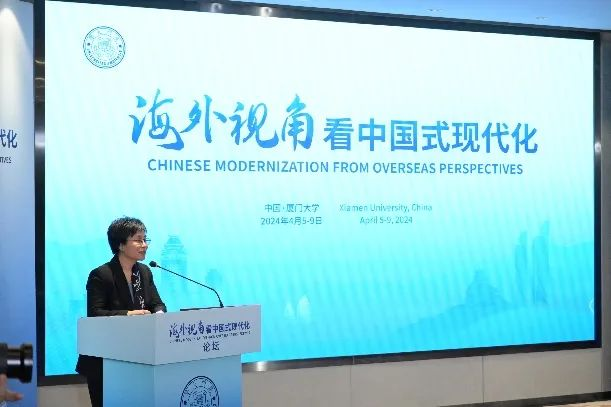
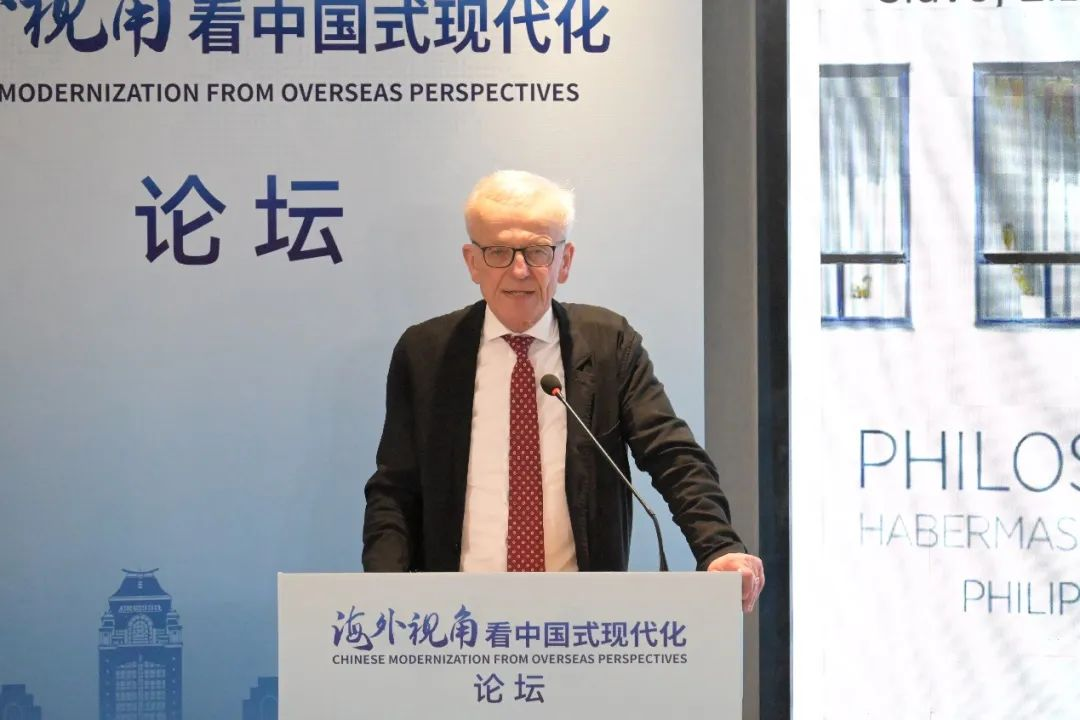
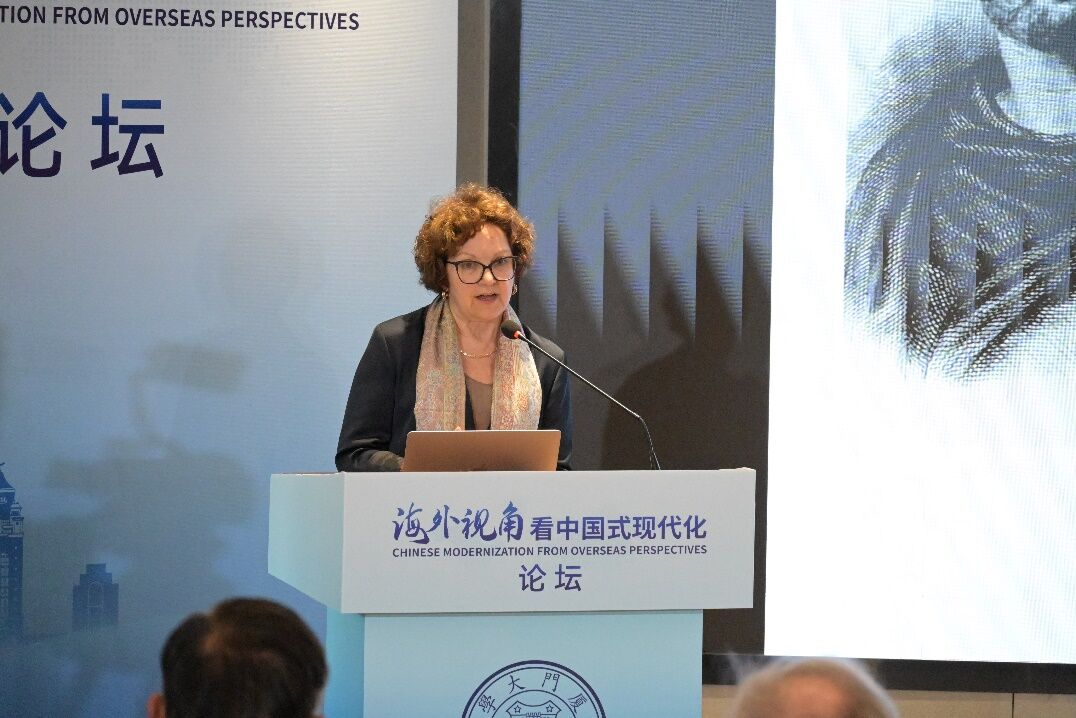
The forum commenced on the morning of the 6th, with Professor Xu Qi, Secretary of the Party Committee of the School of Foreign Languages, presiding over the opening ceremony. Professor Shi Dalin, Vice President of Xiamen University, delivered a speech on behalf of the organizers, emphasizing the significance of Chinese-style modernization for both China and the world. He affirmed the importance of the establishment of the Center for Exchanges and Mutual Learning among Civilizations at Xiamen University and looked forward to the forum facilitating cross-cultural exchanges. Deputy Minister Chen Qincan from the Publicity and Communications Department of the Fujian Provincial Party Committee highlighted the importance of Chinese-style modernization and expressed expectations for a deeper exploration of its essence and connotations during the forum. Professor Chen Jing, Dean of the School of Foreign Languages, emphasized the crucial role of language in civilization exchange and mutual learning and wished the forum a complete success.
During the special guest speeches, Professor Hans van Ess, Vice President of the University of Munich, shared his experience translating "The Analects" and elaborated on his insights into translating ancient Chinese texts. He highlighted how inadequate translation skills increasingly hinder intercultural exchange. Professor Federico Masini, former Vice President of the University of Rome, approached the topic of "Learning Chinese Language from an Overseas Perspective," tracing the historical context of grassroots exchanges between Italy and China. Prof. Masini delineated four main phases in Sino-Italian exchanges, illustrating the continuous interaction between the two nations.
Subsequently, a roundtable forum on "Language Dissemination, Canonical Translation, and Modernization" was moderated by Professor Lu Jiande, Director of the Center for Comparative Literature and Intercultural Studies at Xiamen University. Professors van Ess and Masini, along with Professor Keiichi Uchida from Kansai University in Japan and Professor Joël Bellassen from the Paris Institute of Oriental Languages and Civilizations, engaged in insightful discussions on topics such as the mutual translation of Chinese and Western classics and the relationship between language dissemination and modernization.
On the afternoon of the 6th, two parallel forums were held on "Fujian and the Maritime Silk Road Civilization Exchange" and "Civilizational Mutual Learning Research from a Comparative Perspective." These sessions were respectively chaired by Professor Fan Jieping from Xiamen University and Researcher Shen Guilong, Director of the China Studies Institute at the Shanghai Academy of Social Sciences. Scholars from Macedonia, the United States, Italy, Germany, Japan, Russia, North Macedonia, and other countries engaged in lively discussions on various aspects of intercultural exchange and mutual learning.
From the 7th to the 8th, experts and scholars participating in the forum conducted field research in Quanzhou and Fuzhou. They visited the Qingjing Temple and the Quanzhou Maritime Museum, experiencing the historical changes of Quanzhou as the starting point of the Maritime Silk Road and reflecting on the fusion and collision of Eastern and Western cultures. The delegation also visited the China Shipbuilding Culture Museum to gain a comprehensive understanding of the rich spiritual connotations of the Mazu culture and its role in promoting the modernization of Chinese society. Discussions were held with experts on the protection of ancient houses and folk customs to understand the history and cultural essence of modern Fuzhou.
Professor Masini of the University of Rome remarked, "In Quanzhou, I saw the integration of multiculturalism. The architecture and cultural relics here made me once again feel the uniqueness of Chinese culture, which is different from past experiences." "I particularly admire the ancient charm. Both the China Shipbuilding Culture Museum and Sanfang Qixiang reflect the local characteristics. The preservation of ancient architecture is excellent, reflecting the profound cultural heritage of Fuzhou." Professor Joël Bellassen from the Paris Institute of Oriental Languages and Civilizations said that this was his third visit to Fuzhou and the deepest understanding of this historical and cultural city. "Lin Zexu, Yan Fu, Bing Xin, and many other celebrities and intellectuals are known to me from my time studying Chinese at Paris University. This time, I actually 'saw' them, which is unforgettable."
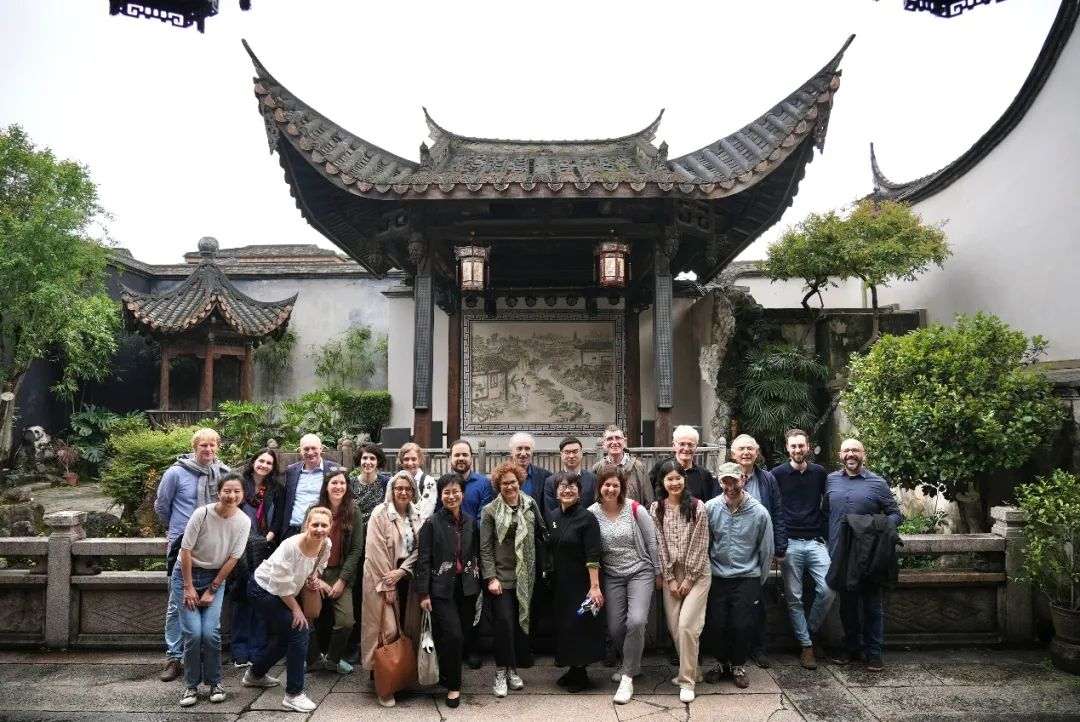
On the morning of the 9th, participants visited the Yunxiang Lake and the Yunxiang Academy in Xiamen to experience the unique charm of traditional Chinese classics and understand Xiamen's practice of ecological environment governance promoting "harmony between people and the sea."
In the afternoon of the 9th, the closing academic event of the forum was held in the Keli Building Lecture Hall, chaired by Professor Liu Yue, Associate Dean of the School of Foreign Languages and the convener of the forum. Professor Tiziana Lippiello, President of the University of Venice, spoke on "The Maritime Silk Road and Civilization Exchange," emphasizing the significant role of Confucian classics translated by Western missionaries like Matteo Ricci in the dissemination of Chinese culture.
Retired Professor Helwig Schmidt-Glintzer from the University of Göttingen and former director of the Herzog August Library in Wolfenbüttel, Germany, focused on "Seeking Common Ground and Respecting Differences in Sino-Western Civilization Exchange." Professor Schmidt-Glintzer pointed out that no single model of modernization can be applied to all countries. The success of Chinese-style modernization lies in its development path deeply rooted in history and in line with China's national conditions.
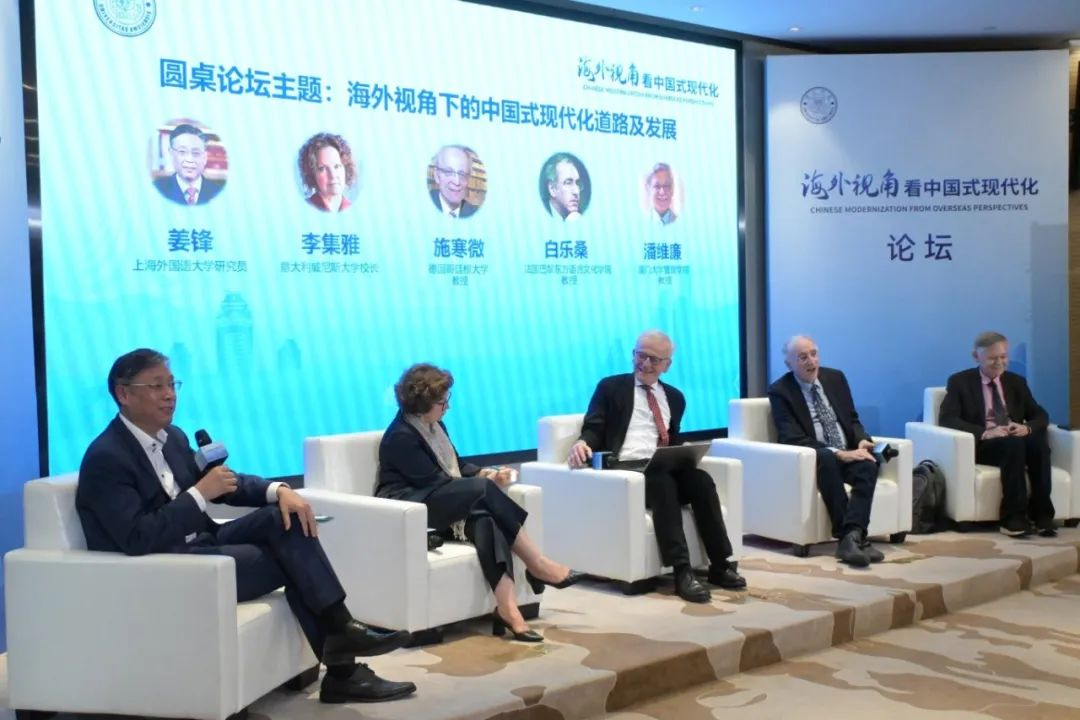
Later, Jiang Feng, Director of the Shanghai Institute for Regional and Global Governance, chaired the second roundtable forum. Professor Lippiello, Professor Schmidt-Glintzer, Professor Bellassen, and Professor William Neil Brown from the School of Management at Xiamen University engaged in a lively and inspiring discussion on "Chinese-style Modernization Paths and Development from an Overseas Perspective."
During the closing ceremony, Chen Jiawei, Vice Chairman of the Fujian Radio and Television Group, introduced a series of achievements in Chinese-style modernization and congratulated the successful conclusion of the forum. Professor Pan Yue, Director of the Research Office of Social Sciences at Xiamen University, delivered the closing remarks, fully affirming the contribution of the forum to insights into Chinese-style modernization from an overseas perspective and expressing the hope that the forum will continue to be well-organized and become a beneficial platform for candid exchanges and mutual trust between Chinese and foreign scholars. Professor Chen Jing, Dean of the School of Foreign Languages, announced the closure of the forum and expressed the wish that the academic bridge and friendship built by the forum would last.
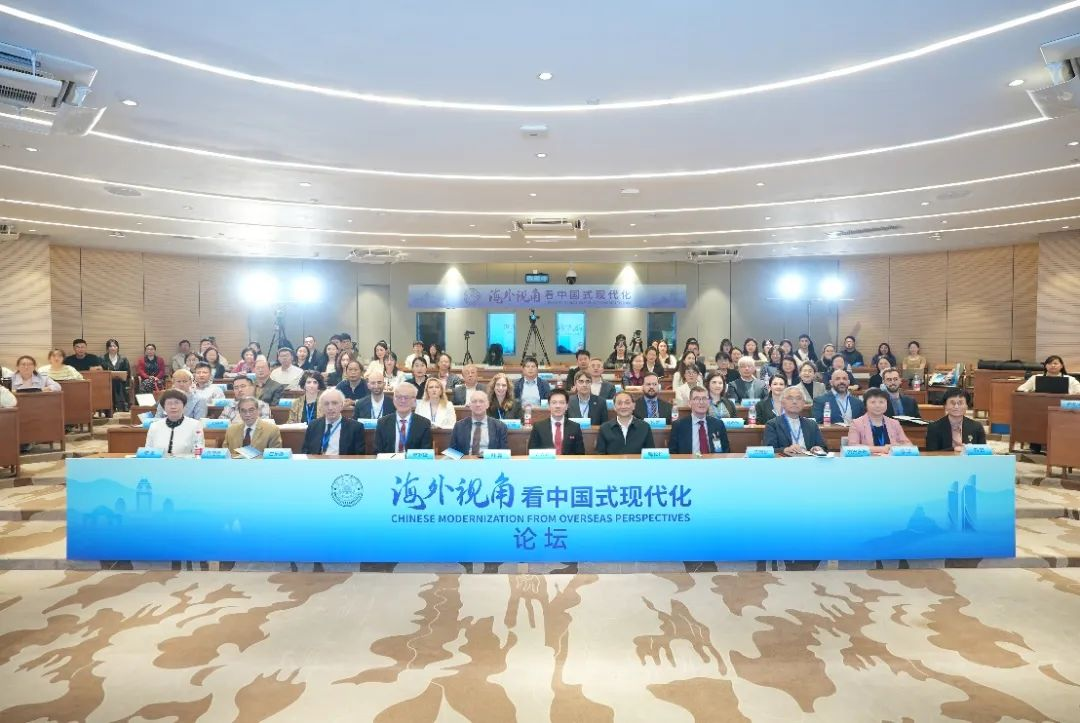
During this four-day academic event, experts from home and abroad engaged in in-depth discussions on key issues such as regional studies and civilizational exchange and mutual learning. The forum made a significant contribution to promoting the common development of academic communities, visions, and actions, as well as to facilitating cultural dialogue, spreading the voice of China, and telling the story of China.
Xiamen University School of Foreign Languages Publicity Center
Images: Xie Xiaoyu, Mu Zhengrong, Wang Yuyin, Yang Yiting, Hou Yuzhuo, Tan Shan
Text: Zhao Wentao, Pan Xianmei, Xu Qinqin, Zhou Mingrong
Editor: Zhang Xinyu
Reviewer: Zhang Yuzhou
Translation: Jan-Boje Frauen